
Why Research Matters in a Working Ceramics Studio
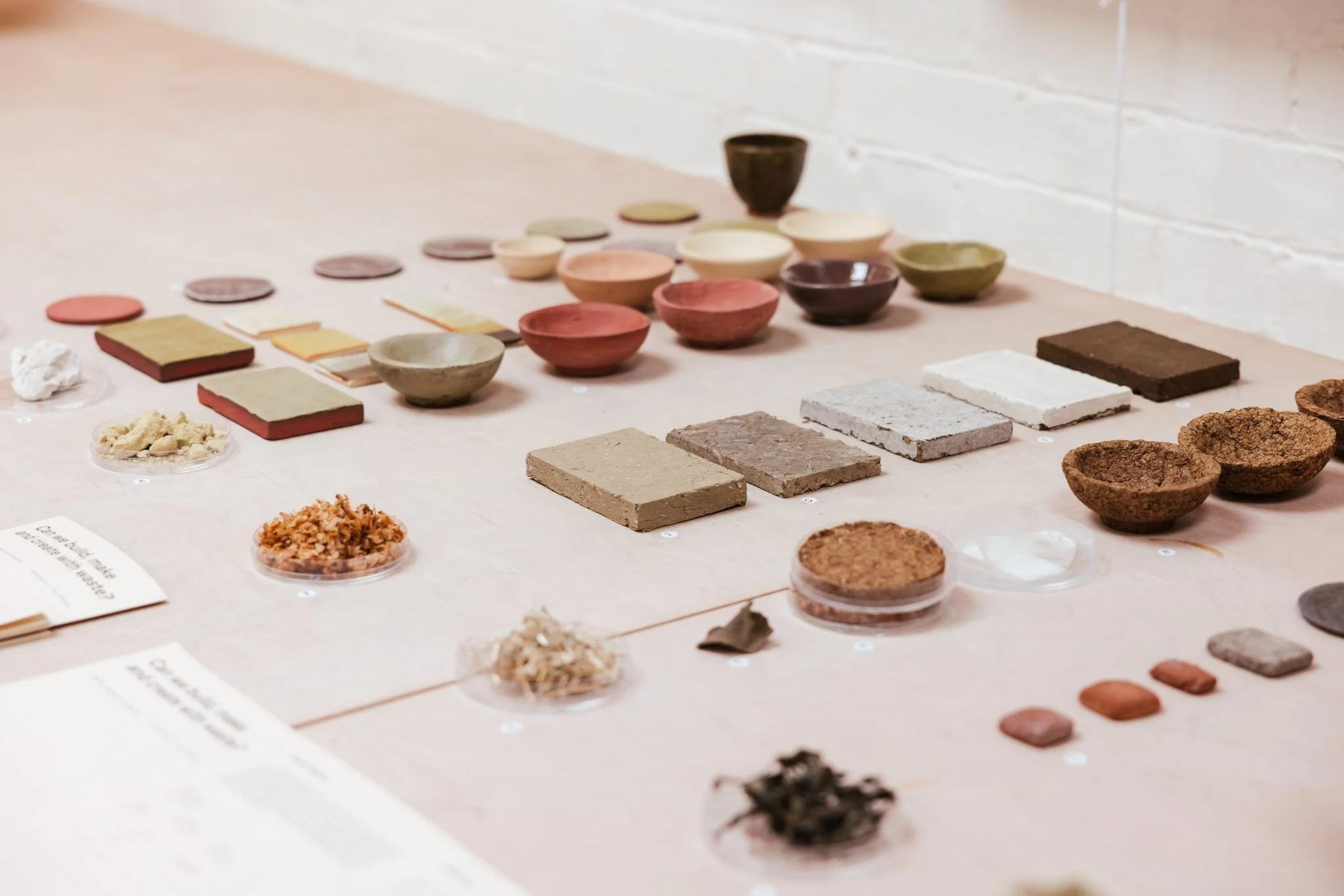
Chris has started a new phase of material research through the Ignite programme at Sunken Studio, working alongside researchers from the University of Leeds and participants from within the studio.
The work builds on his ongoing interest in recycled clay, but more broadly it asks a simple question - what role does research play in a working studio?
Starting point
Chris didn’t come to ceramics on a straight path. An early interest in environmental science stayed with him, even after moving into making.
Over time, that created tension. Ceramics is resource intensive - time, energy, materials, process - and that sits uneasily alongside questions of sustainability.
Material research became a way of working through that. Not stepping away from making, but looking more closely at what sits behind it.
Research as part of practice
In the studio, research isn’t separate from making.
It shows up often in small, repeated actions:
→ testing
→ adjusting
→ asking why something worked - or didn’t
There’s a structure to it, even if it doesn’t always look formal. Observation, trial, evaluation. A way of thinking as much as a way of working.
It also builds on what’s already known. In ceramics, that knowledge is often embedded in practice rather than written down. Research begins to make those connections clearer.
Working with materials
Much of this work starts with context.
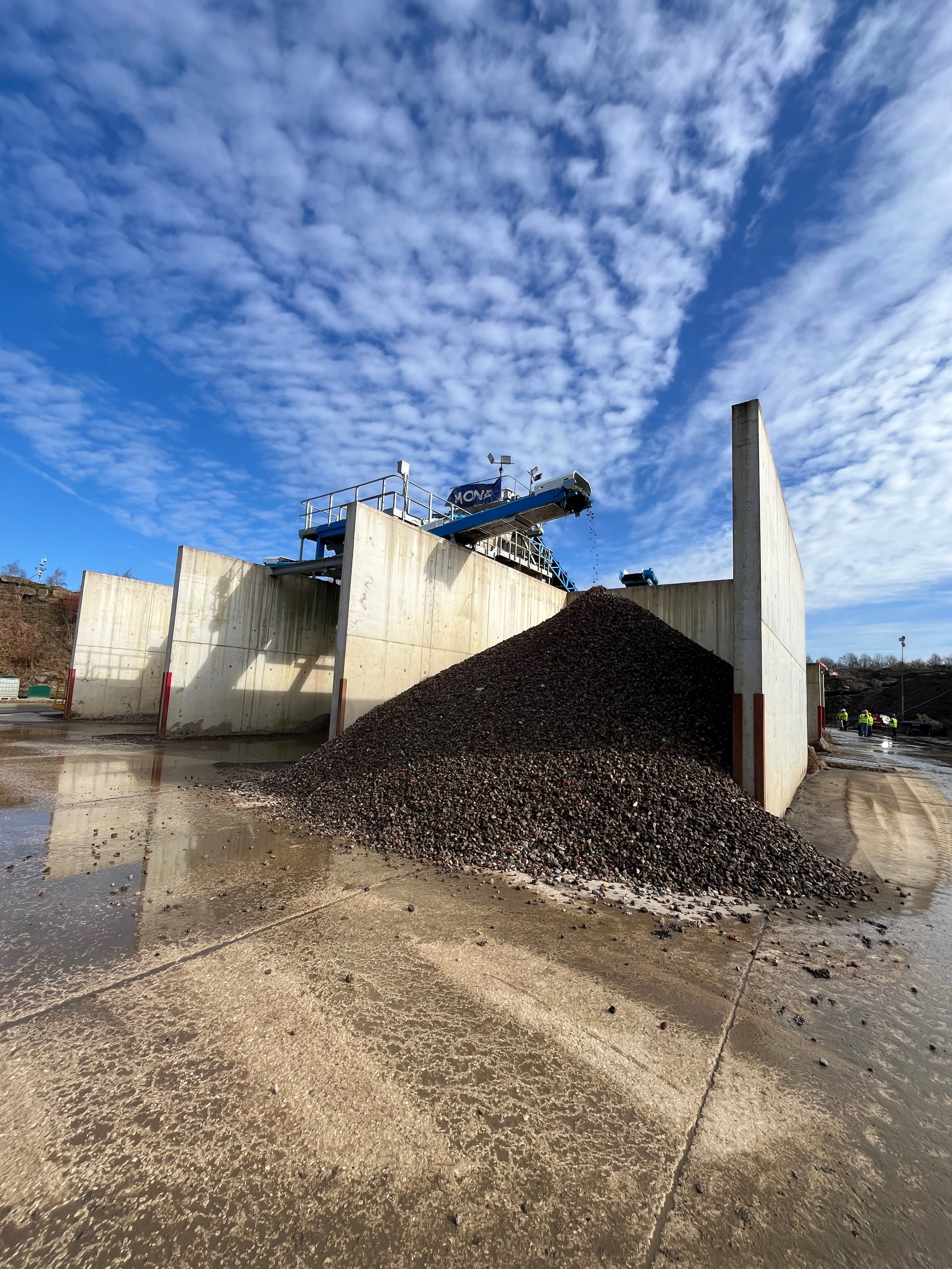
Where a material comes from, how it’s used, who works with it - these questions shape what becomes possible. Working with waste materials often begins with people and conversations rather than the material itself.
From there, the process is iterative. When something behaves unexpectedly, the response is to test, adjust, and repeat.
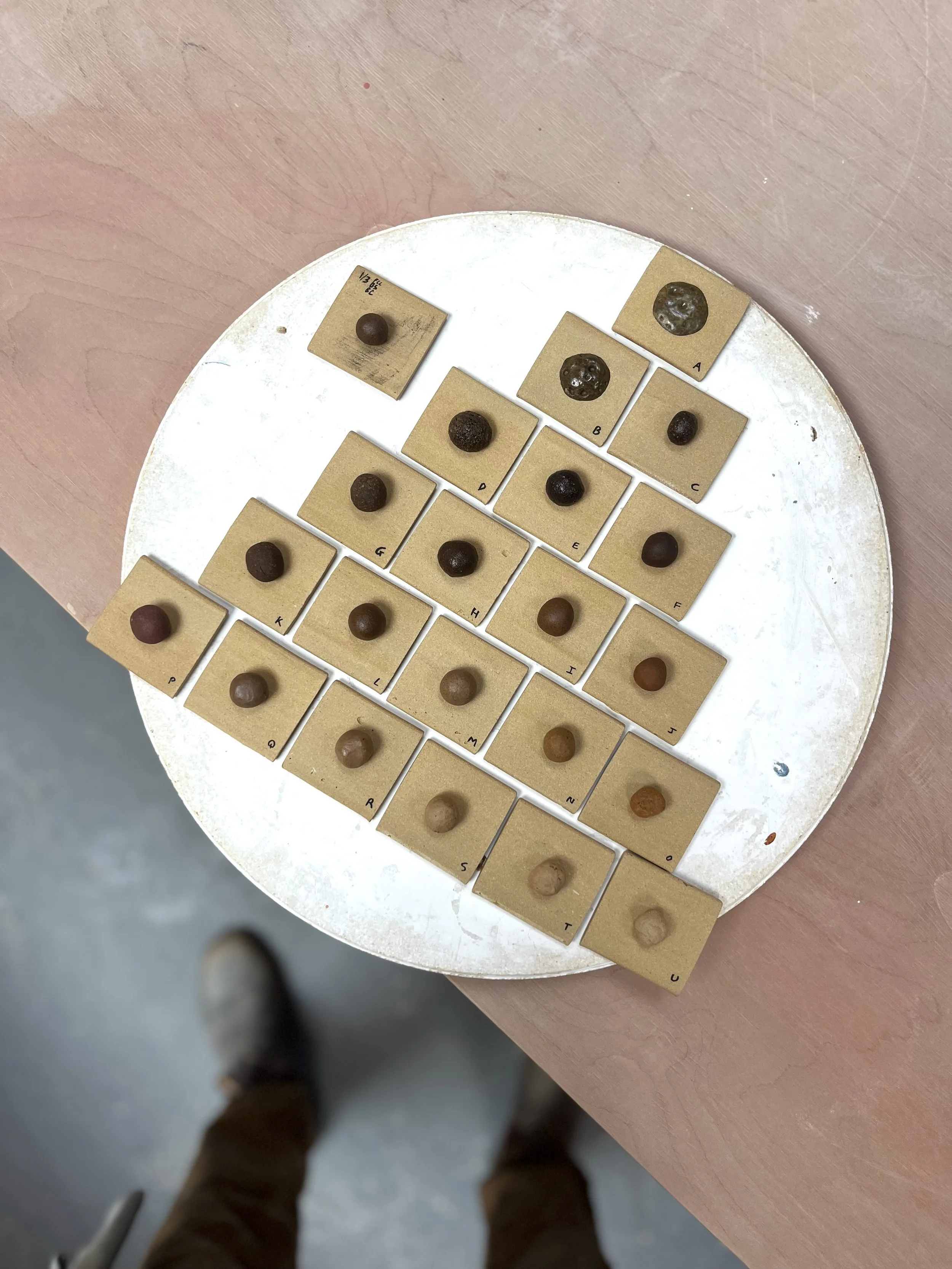
Test tiles play a key role . They’re a way of working quickly and directly - a form of sketching that allows ideas to be explored without committing to a finished piece.
Research in the studio
In a working studio, research sits alongside everything else - teaching, operations, daily routines.
That requires prioritisation, and often restraint. Not everything can be done at once.
But making space for research matters. It introduces new questions, keeps the studio moving, and creates a shared point of interest for the team and our members.
It also feeds back into the programme - shaping how materials are understood, taught, and used.
Why it matters
For members, this isn’t about formal research. It’s about developing a way of thinking.
Taking time to test. Questioning assumptions. Understanding materials more fully.
That shift - from following a process to understanding it - changes how people work.
What’s next
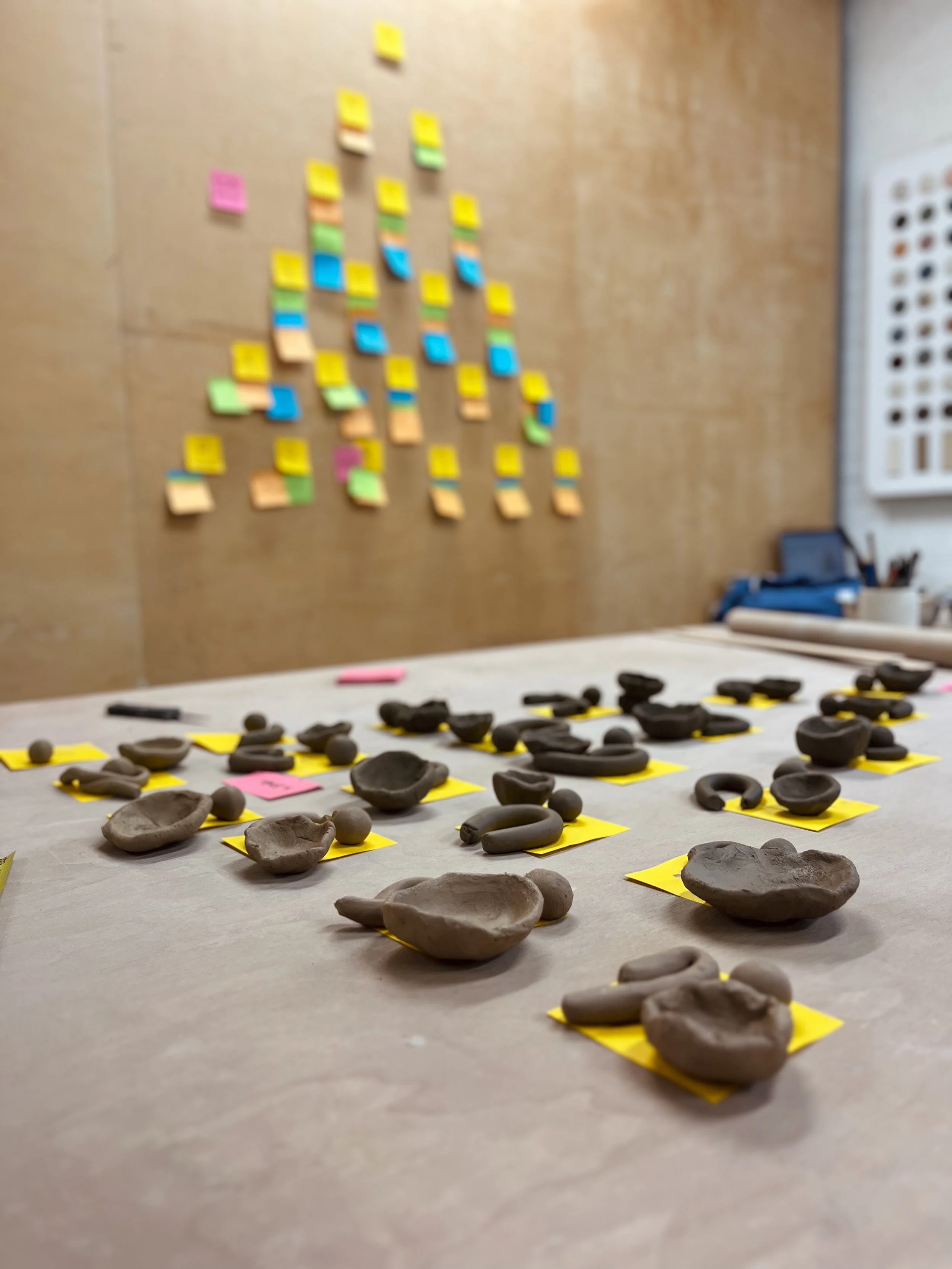
The current challenge is scale. Early tests with recycled materials show potential, but consistency and volume need to be worked through before they can support the studio more widely.
There’s also a broader question around energy. Firing remains an intensive part of ceramics. Reducing that - or rethinking it - will shape what comes next.
This is where collaboration becomes essential, drawing on knowledge from beyond ceramics.
Research doesn’t sit outside the studio. It’s part of how the studio continues to develop - through materials, through people, and through the questions that shape both.