
Playing the long game: welcoming Robert Hunter
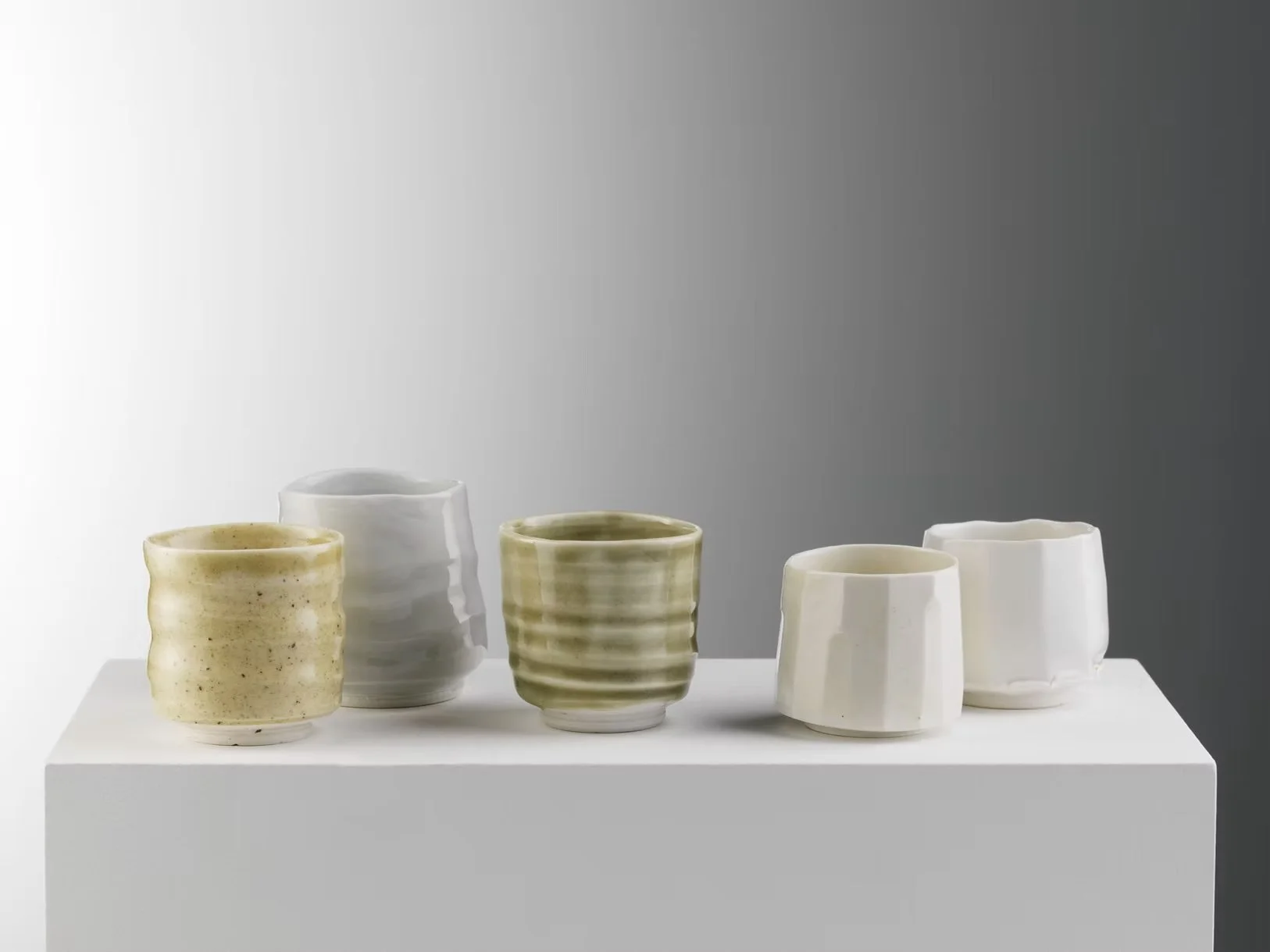
Robert Hunter first got in touch with us a few years ago, and although there wasn’t an immediate opportunity, we stayed in touch. Now, following his move from Glasgow to York, he’s joining the throwing team at Sunken Studio.
As the studio has developed, we’ve been refining how we support people beyond their first course. While there’s often an appetite to continue, the step into membership can feel too early, and without structure, momentum can drop.
Our Foundations in Pottery Making course is designed to address this - allowing for repetition and progression within the same framework, and supporting learners at different stages.
Robert joins us at a point where that balance matters, bringing a material-led approach that connects studio practice with wider questions around sourcing and use.
Sustaining a practice
Robert’s pieces are only taken forward if they meet a certain standard - anything less is recycled early. It’s a way of working that treats kiln space, time, and energy as finite resources.
“Only pieces I’m 100% happy with go into the kiln. If there’s even a small flaw, it gets recycled.”
Timing sits at the centre of this process. Throwing is only one part of a wider rhythm - drying, trimming, finishing - and if that rhythm can’t be maintained, the work doesn’t begin.
Over time, this has shaped how Robert approaches selling. Early expectations around turnaround have shifted towards longer, more realistic timelines, allowing space for the work to be properly resolved. Pricing follows the same logic: informed, considered, and confident.
Teaching as an extension of practice
His teaching follows the same structure - observational and responsive.
He begins by understanding where each person is starting from, then adapts accordingly. For beginners, the focus is on slowing things down, breaking processes into clear steps, and developing an awareness of sequence.
“I frequently ask, ‘What’s your next move?’ It’s about getting people to think ahead and plan what they’re doing.”
As people move beyond the basics, the emphasis shifts from technique to consistency and direction. Progress at this stage is gradual, built through repetition rather than new instruction.
This is the space the Foundations course is designed to fill - supporting progression without removing structure too early.
Materials and attention
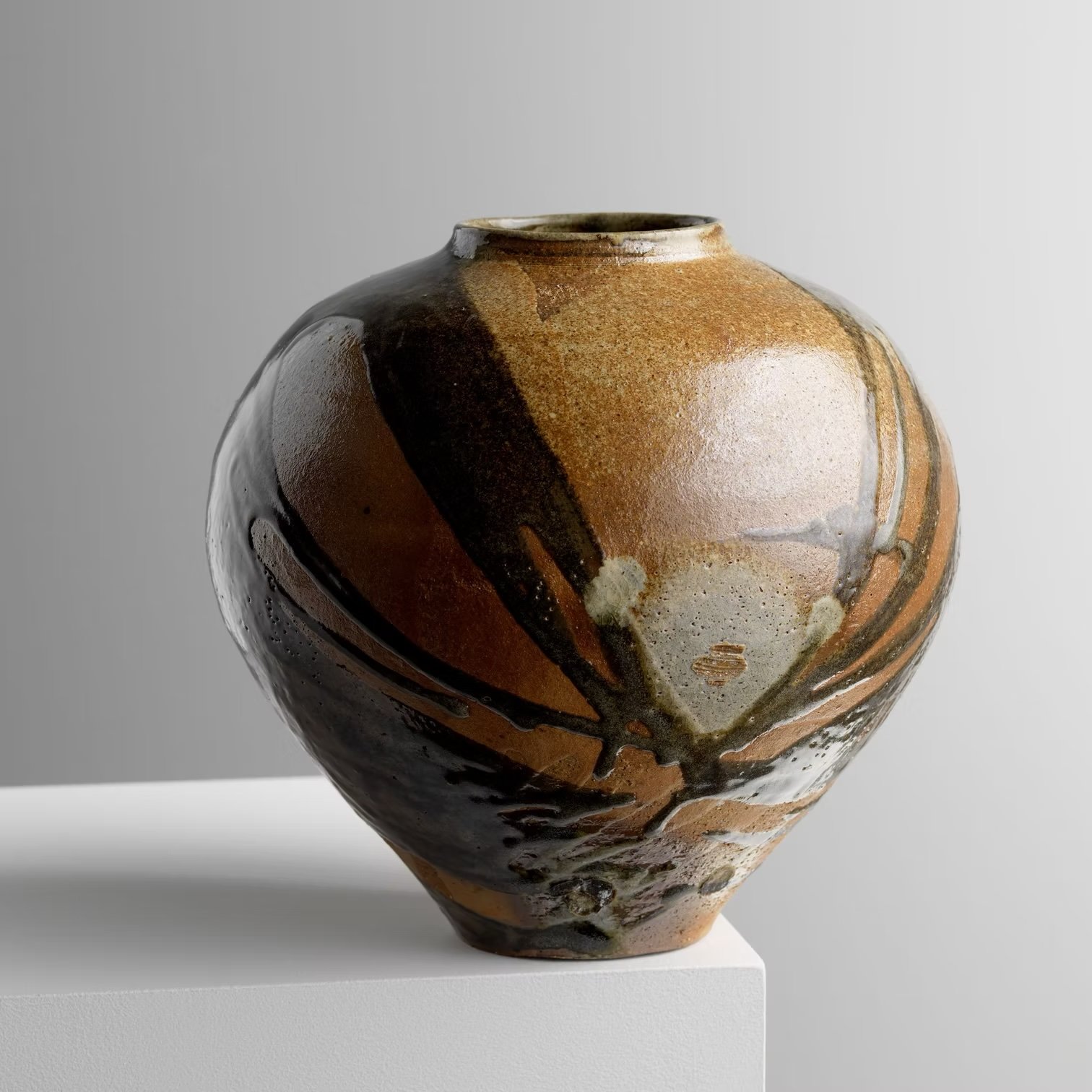
Robert’s practice respects clay, and that carries through into how he teaches. Materials are approached in relation to place, process, and use - not as fixed, but as something to be understood through making.
Students are encouraged to pay attention - to what is available in their surroundings, how materials behave, and how form and surface interact. Understanding how a glaze responds to a form, or how a material performs at a certain thickness, becomes part of planning rather than something discovered later.
This way of working is grounded in his own practice, where material investigation forms a central part of the process.
Moving a practice
Relocating a studio inevitably changes how a practice operates.
For Robert, the move from Glasgow to York has brought a shift in pace. His studio is now within walking distance of home - a small change that allows for greater continuity in the making process.
The move has also created space to reset, with time to settle before returning to a fuller workload.
There’s something familiar in that. Joining a class can offer a similar moment - a chance to re-establish rhythm, focus on process, and build confidence before taking on something more independent.
Looking ahead
At Sunken Studio, Robert’s role sits across both teaching and the wider life of the studio.
Alongside leading sessions, there’s an awareness of the informal moments - small adjustments and quick interventions that help someone move forward.
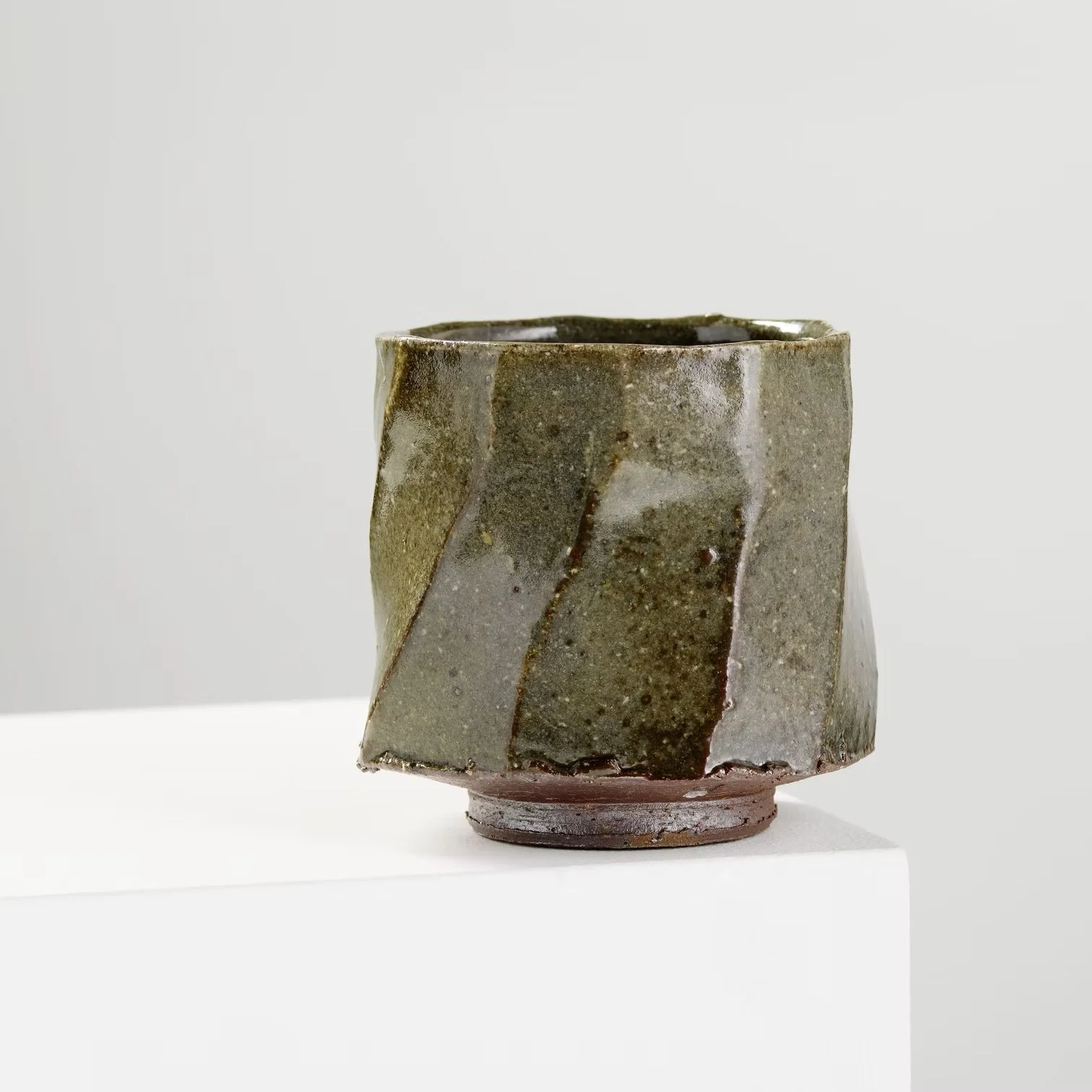
In his own work, the focus is currently on developing a clay body using material sourced from roadworks near his studio in York. The clay fires well, but is being refined - adjusting plasticity and adding grog - to make it suitable for tableware production.
Alongside this, he is preparing for a series of firings and events over the coming months.
As the studio continues to develop, bringing in practitioners who balance making, teaching, and the realities of sustaining a practice - while maintaining a close, investigative relationship with materials - remains central to how we support progression.
Sometimes these things take time - but relationships built over a number of years tend to find their moment.