
Building Lasting Ceramic Practice in Leeds
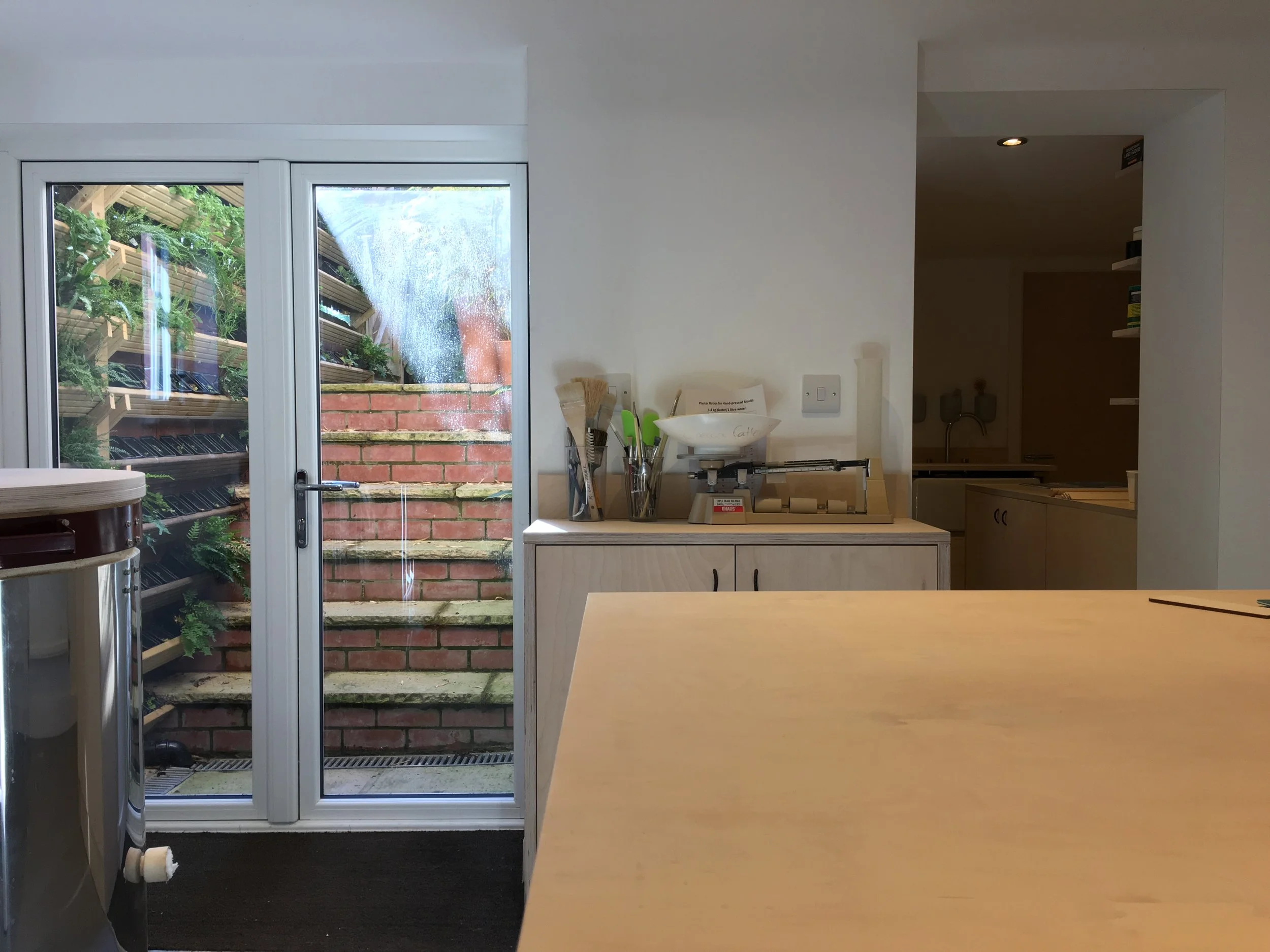
The basement where it began
Beginnings
Just over ten years ago, I was sitting in my tiny basement studio thinking about building a shared ceramics studio in Leeds.
Looking back, I’ve been wondering whether the studio I imagined then is the one that exists today.
In many ways, the answer is yes.
Looking
Makers returning week after week. The gradual movement from curiosity into sustained practice. The relationships that form around making, materials and shared space. Contributing to the cultural fabric of Leeds. Those things were always part of the vision.
However, the reality of building and sustaining a studio over a decade has been far more layered, demanding and revealing than I anticipated at the time.
Learning on the Job
Like many vocationally-led businesses, we’ve learned ‘on the job’. There was no blueprint and certainly no MBA guiding its development. Many of the operational, strategic and structural aspects of building Sunken Studio have evolved gradually through experience, mistakes, conversations, external guidance and ongoing reflection.
Over the years, the studio has navigated experiments, relationships, growth and periods of significant disruption that required us to continually adapt. Many of those experiences taught us a great deal about resilience and responsiveness. But over time, we also became aware of the risks of operating in a constant state of reaction - where responding quickly to immediate pressures gradually becomes the culture itself.
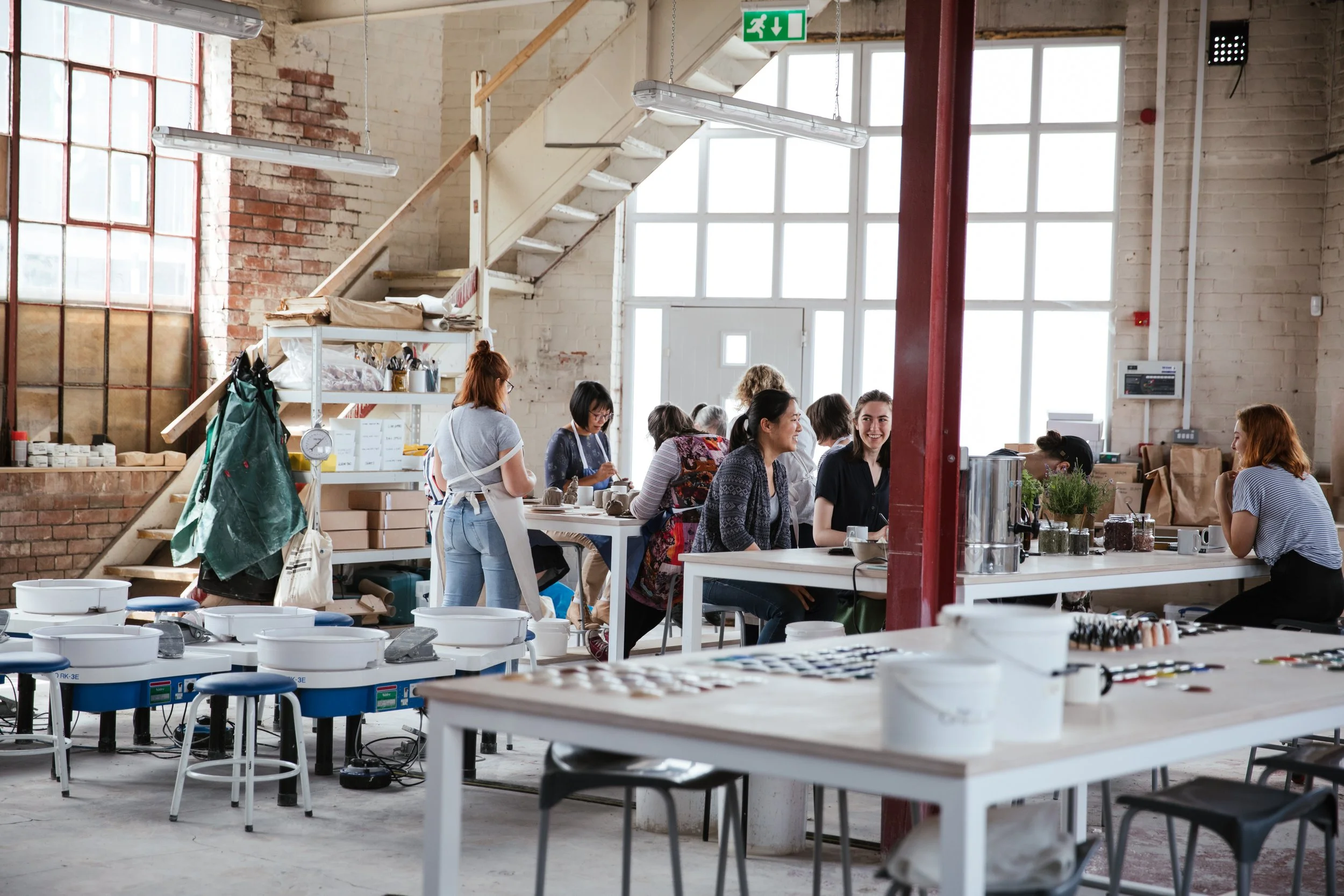
A temporary space that became something more
Slowing Down
Recent efforts have been about moving from reactive thinking towards more responsible thinking. Making space to pause, reassess and consider what the studio is trying to support long-term, rather than simply continuing to add more, more, more.
Much of that process has centred around simplification - trying to make things clearer, more coherent and more sustainable. That process isn’t comfortable, and sometimes simplification creates new or less visible complexities elsewhere. It requires letting go of familiar ways of working and taking risks without knowing the outcome.
Weightlessness
I often think back to my first year on my postgraduate degree. I remember the feeling of weightlessness that came from being told to stop making in the ways I previously understood. It felt deeply uncomfortable, but it also created space for revision and a different understanding of practice to emerge. In many ways, this current period within the studio feels connected to that same process.
Shared Space, Different Rhythms
One of the clearest things we’ve recognised is that not everybody wants - or needs - the same relationship with the studio.
Some people are looking for a first encounter with clay. Others want structured weekly sessions and time to build confidence gradually alongside work, family and other commitments. Others are developing increasingly sustained practices that require continuity, specialist infrastructure and deeper engagement over time.
The challenge hasn’t necessarily been the diversity of motivations within the studio, but recognising when the exploratory mindset needed to build something no longer fully supports what’s needed to sustain it long-term.
In the early years, experimentation, responsiveness and continual adaptation were essential. But over time, we’ve increasingly found ourselves asking different questions - not simply what else the studio can become, but what deserves protecting, strengthening and clarifying within it.
What continues to unite the studio isn’t identical levels of experience or commitment, but a shared relationship to materials, curiosity and the possibility of sustained practice within a specialist ceramic environment in Leeds.
Membership + Pathways
Listening to what our members are saying - particularly those who stay with us longest - has led us to rethink how those pathways are structured.
This has resulted in a number of changes across programming and membership. Introductory sessions are gradually shifting towards more diagnostic entry points, helping people explore different approaches to clay before deciding how they’d like to continue. We’re developing clearer progression routes from tasters into six-week courses, mixed ability classes and membership, while also creating more sustainable ways for people to engage casually with clay without every interaction requiring intensive teaching structures.
Alongside this, we’ve been refining membership pathways to better support different stages of practice - from affordable access for new makers through to more sustained long-term studio use supported by shared infrastructure, resources and programming.
Futures
Conversations within the team have also increasingly moved towards research, materials, sustainability, reflective practice and collaborative working. Projects such as Material Response - currently being developed by Chris Crawford through collaborative research and testing - reflect some of the wider questions we’re interested in exploring as a studio beyond production alone.
One of the stranger and more rewarding aspects of building a long-term studio is watching other people grow within the environment you’ve helped create. Over the years, we’ve seen members and team members develop collaborations, specialist interests, research projects and lasting personal and professional relationships through the studio. Increasingly, that has prompted further reflection about how a specialist environment not only supports making, but also protects the time, continuity and attention needed for deeper forms of development and connection.
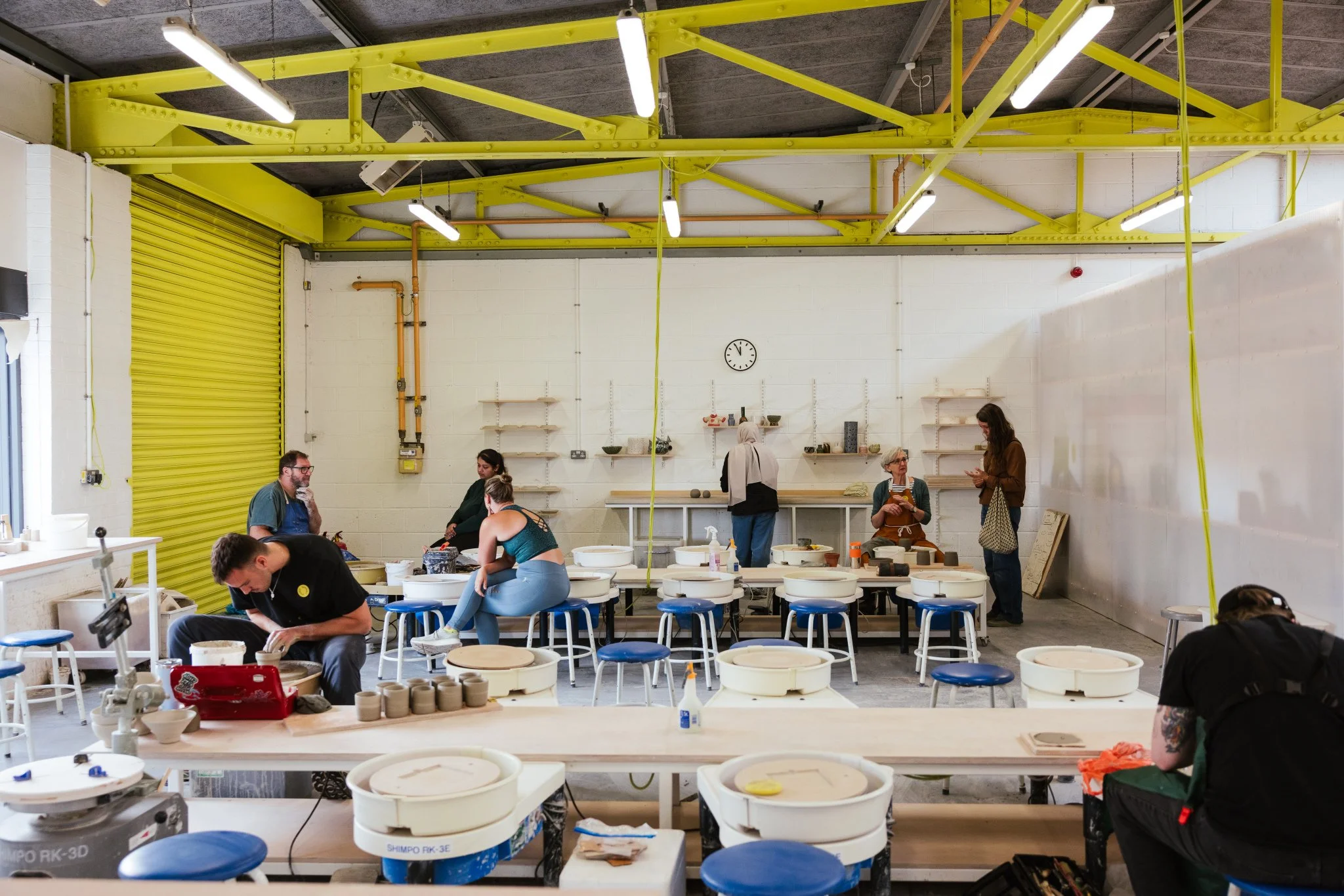
Where the studio stands today
What we’re working towards
None of this feels particularly fixed, and the studio will undoubtedly continue changing again in the future.
Our focus is on supporting lasting engagement with ceramics for new and emerging makers in Leeds - creating structures that support people not only to try clay, but to continue developing confidence, familiarity and sustained relationships with materials and studio life over time.
For some, that may mean a regular evening class or occasional membership use alongside other commitments. For others, it may develop into a more sustained independent practice supported by deeper access to studio infrastructure, specialist knowledge and long-term participation.
Our focus is on creating pathways that make space for both.
Whether you’re looking for a first experience with clay, a regular weekly rhythm or a more sustained studio practice, we’re continuing to develop pathways that support different ways of engaging with ceramics over time.